
A Joining Branch
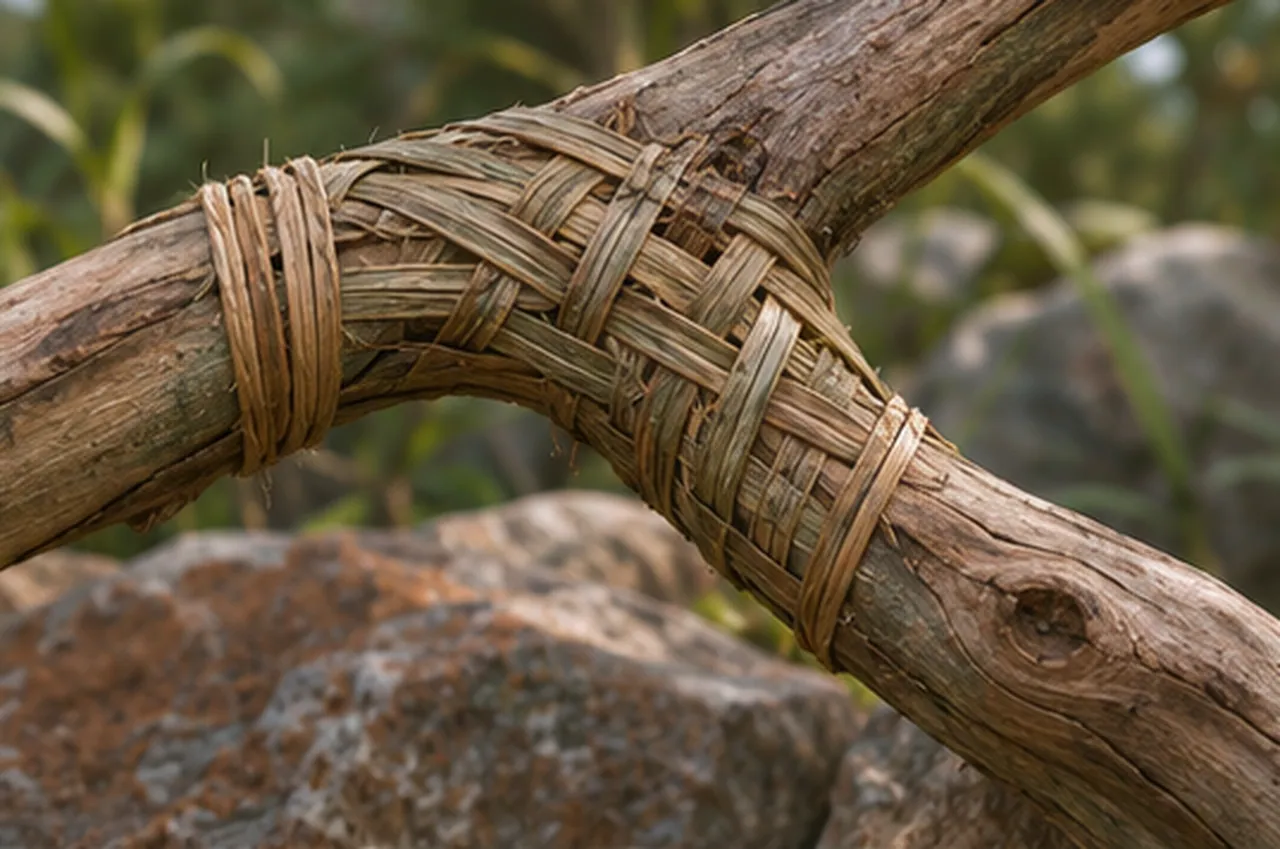
The upper shelf has two pieces of rough wood near a change in level. One can sit across the little stony rise. The other comes down to it at an angle. In an early prototype, the cover straightened both pieces into a clean line as soon as the player placed them. The resulting camp felt as though the ground around it had never mattered. The second sample shows the branch shapes and lets the castaway choose which remaining area to cover after seeing where they meet. This note follows a visual decision in an original game scene, with stylized support behavior tied to the prototype’s controls.
Find the turn in the upper material
One branch has a split near the middle that looks stronger on its lower side. It angles away from the exposed rock. The player can choose to turn the piece before holding the other end in place. From above, the branch travels straight long enough to cover part of the low route toward camp. From beside it the turn becomes more apparent. A little light falls under the forward part, once the piece has been moved away from the rock. When a player works from the close view, that lighter underside indicates how much of the cover might sit over the free area below it.
The other option keeps the recognizable split close to the ground. The sheltered space changes shape toward the back. There is room to place a wrapped object, but the approach leaves a tight space between the end of the branch and the old camp path. The first sample did not show a clear cost for placing the support there. We used the wrapped load to test it from the player’s side. The shortcut that looked useful during setup becomes an awkward turn on the return, a result you can recognize before the simulated storm has closed too much of the approach.
Let the cover remember its supports
The cloth on the altered frame runs along two short spans. A fold occurs where one branch lies visibly higher. Keep a little material slack there and its shadow leaves more readable space beside the change in ground level. In another pass the cover looks flatter and gives a tighter corner. This makes the angle of the near support easier to see. It also moves a shadow into the place where the bundle might go. We want the player to compare the shape of the sheltered area rather than judge the appearance of the cover on its own.
During the weather test a short shaded strip changes near one end of the branch. The player can return to a useful outside mark and look back through the dry part of the shelter. This is a stage in which the longer branch is easy to see as a silhouette. We keep the support in much the same place in the beginning and ending camera. A person can then notice the difference in the cloth and see whether it has moved enough to make the object behind it less accessible when they next have to pick it up.
Compare both camp sites
A Roof Beyond the Tide starts with a choice between a fast site and a higher one, followed by a short replay of the resulting route. Shelf Above the Waterline explains the place where those choices first separate. A Place for the Dry Load returns to the area after the frame has been used. The next sample gives the upper support a different branch. We will check if the changes can be described using the position of the rock and the shape of the cover without needing a different view for every new piece of wood.